When it comes to postpartum recovery, incorporating exercise into your routine can be a game-changer. Not only does it help in rebuilding your strength, but it also plays a significant role in improving your mental well-being. The benefits of postpartum exercise extend beyond just physical recovery, offering a holistic approach to regaining your pre-pregnancy vitality. But how exactly does exercise work its magic in aiding your postpartum journey? Stay tuned to uncover the transformative effects of incorporating movement into your recovery plan.
Physical Benefits of Exercise
Engaging in regular exercise not only strengthens your body but also accelerates your postpartum recovery process. Physical benefits of exercise after childbirth are numerous. Firstly, it helps in toning and strengthening your muscles, especially the core muscles that may have weakened during pregnancy. By focusing on exercises that target these areas, you can regain your pre-pregnancy strength and stability. Additionally, exercise boosts your energy levels, combating the fatigue that often accompanies new motherhood.
Furthermore, regular physical activity can assist in improving your posture, which may have suffered due to the changes in your body during pregnancy. Strengthening your back and core muscles can alleviate back pain and promote better alignment. Moreover, exercise releases endorphins, the feel-good hormones, which can uplift your mood and reduce feelings of stress or anxiety that are common during the postpartum period.
Incorporating exercises like walking, gentle yoga, or postnatal fitness classes into your routine can have a significant impact on your physical well-being as you navigate this transformative period.
Mental Health Benefits
Improving your mental well-being postpartum can be greatly enhanced through regular exercise, especially when focusing on the mental health benefits it offers. Physical activity releases endorphins, which are known as the body’s natural mood lifters. These endorphins can help combat feelings of sadness or anxiety that are common during the postpartum period. Engaging in exercise also provides a sense of accomplishment and empowerment, boosting your self-esteem and confidence as you work towards your fitness goals.
Moreover, exercise serves as a form of stress relief, allowing you to clear your mind and temporarily escape from the demands of new motherhood. Taking time for yourself to exercise can help reduce feelings of overwhelm and improve your overall mental resilience. Additionally, participating in group exercise classes or activities can provide social interaction and a sense of community, which are essential for combating feelings of isolation that some new moms experience.
Core Strengthening Exercises
Looking to enhance your postpartum recovery? Core strengthening exercises can be incredibly beneficial in rebuilding your abdominal muscles and improving overall stability. After pregnancy, your core muscles may be weakened, leading to issues like back pain and poor posture. By incorporating exercises such as plank variations, bird dogs, and pelvic tilts, you can target these muscles effectively.
Plank variations, like forearm planks or side planks, engage your entire core, including the transverse abdominis and obliques. Bird dogs help strengthen your lower back muscles and improve balance. Pelvic tilts are great for activating the deep core muscles and enhancing pelvic stability.
Start slowly and listen to your body. It’s important to focus on proper form rather than the number of reps initially. Gradually increase the intensity and duration of your core workouts as your strength improves. Remember, consistency is key in seeing progress. Incorporating these core exercises into your postpartum workout routine can aid in your recovery and help you regain strength and stability.
Tips for Safe Postpartum Workouts
For safe postpartum workouts, prioritize proper form and gradual progression to prevent injuries and promote recovery. Begin with gentle exercises like pelvic tilts, kegels, and deep belly breathing to reconnect with your core muscles. As you feel stronger, you can gradually incorporate low-impact activities such as walking, swimming, or postpartum yoga. Listen to your body and avoid any movements that cause pain or discomfort.
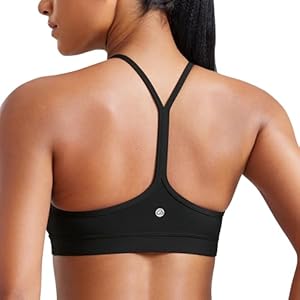
It’s crucial to engage your pelvic floor and transverse abdominis muscles during each exercise to support your lower back and pelvis. Remember to stay hydrated, wear a supportive bra, and invest in proper footwear to reduce strain on your joints. Postpartum workouts should focus on rebuilding strength rather than intense cardio sessions. Aim for consistency over intensity, and don’t be afraid to seek guidance from a postnatal fitness specialist if needed.
Best Sellers